
Buying a Home With an Easement Running Through the Backyard? What Buyers Should Know (2026)
What does an easement through the backyard mean for homeowners? An easement grants someone else (a utility company, a neighbor, a drainage district, or the public) a legal right to use a specific portion of your property for a defined purpose. You still own the land, but you can't build permanent structures on it, and the easement holder has the right to access it for maintenance, repair, or the purpose the easement serves.
If you're buying a home and the title report shows an easement running through the backyard, it doesn't mean you can't use the yard. But it does mean there are restrictions on what you can build, plant, and store within the easement area, and it means someone else may need to access that part of your property with or without your permission.
During our home inspections in San Diego, we evaluate the physical condition of the property within and around documented easements. We check for drainage features, utility equipment, grading, and any conditions that affect the home's structural systems. This guide covers the types of easements buyers encounter, what they restrict, and what to verify before closing.
Types of Easements Found in San Diego Backyards
Utility Easements
Utility easements grant SDG&E, the water district, the sewer authority, cable/internet providers, or other utility companies the right to install, maintain, and access infrastructure on your property. Common utility infrastructure found in backyard easements includes underground sewer lines, storm drain pipes, water mains, electrical conduit or overhead lines, cable and communication lines, and gas lines.
You cannot build permanent structures (fences, walls, sheds, pools) within a utility easement without the utility company's permission, which is rarely granted. You can typically plant the area (grass, plants, low ground cover), but you can't plant trees whose roots would interfere with underground utilities.
The utility company has the right to access the easement for maintenance and repair, and they're generally not required to restore landscaping or improvements they disturb during that access.
Drainage Easements
Drainage easements grant the right to maintain a drainage path across your property, whether it's a natural watercourse, a graded swale, a storm drain, or a channel that manages surface water from your property or adjacent properties.
In San Diego, drainage easements are particularly important because of hillside runoff and the need to manage surface water during rain events. If your backyard has a drainage easement, you cannot alter the grading, fill the drainage path, or build structures that would impede water flow within the easement.
A drainage easement that isn't maintained (filled with debris, graded over, blocked by landscaping) can cause water to back up and flood the yard, erode the soil, or redirect water toward the home's foundation. During our inspections, we check drainage easement areas for obstruction and proper water flow.
Access Easements
An access easement grants someone (typically a neighbor whose property is behind yours) the right to cross your property to reach their own. These are common in San Diego neighborhoods where lot configurations don't provide direct street access to every property.
Access easements are usually documented in the deed and recorded. The easement area may be improved (paved, graded) or may be a simple path through the backyard. The easement holder has the right to use the path, and you can't block it with structures, fences, or landscaping.
Conservation and View Easements
Some San Diego properties have recorded easements that restrict development to preserve views, protect sensitive habitat, or maintain open space. These are less common in typical residential neighborhoods but appear on properties near canyons, coastal bluffs, and environmental preserves.
What We Check During the Inspection
Physical Condition Within the Easement
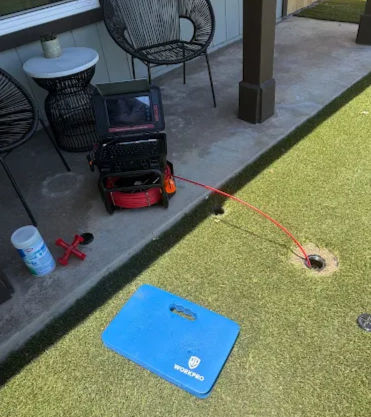
We evaluate the condition of visible infrastructure, drainage features, and the ground surface within the easement area.
What We Check | Why It Matters |
Drainage channel or swale condition | A blocked or altered drainage path can cause water backup and flooding |
Utility access points (manholes, cleanouts, valve boxes) | Must be accessible for utility company maintenance |
Grading and soil condition | Erosion, settlement, or fill within the easement can affect drainage and utility access |
Surface water flow during or after rain | Water should flow along the easement's intended path, not toward the home |
Retaining walls within or adjacent to the easement | Wall condition affects drainage and soil stability |
Vegetation within the easement | Root growth can damage underground utilities; overgrowth can block drainage |
Impact on the Home's Systems
We also evaluate how the easement's condition affects the home itself. A drainage easement that's blocked and redirecting water toward the foundation creates the same water intrusion risk as any other drainage failure. A sewer easement with a failing pipe can cause odors, wet soil, and mold conditions in the adjacent yard and crawl space.
What Buyers Should Verify Before Closing
Read the Easement Document
The title report identifies the easement, but the actual easement document (recorded with the San Diego County Recorder's Office) specifies the exact location and dimensions, the purpose (utility, drainage, access), who holds the easement (which utility company, which neighbor, which agency), what activities are permitted within the easement, what restrictions apply to the property owner, and whether the property owner has any maintenance obligations.
Ask the Seller Specific Questions
Has the utility company accessed the easement during their ownership? If so, when, for what purpose, and was any damage to the yard restored? Has the drainage easement flooded or caused problems? Are there any disputes with the neighbor about the access easement? Have any improvements been made within the easement (if so, were they approved)?
Check for Encroachments
Walk the easement area and compare what you see to what the easement document describes. Common encroachments include fences built across utility or access easements (which the easement holder can require you to remove), sheds or structures placed within the easement area, landscaping that obstructs drainage, and filled or graded areas that have altered the original drainage path.
If the seller built a shed in the utility easement, that's a condition you may be required to correct at your expense after closing if the utility company asserts its rights.
How Easements Affect Backyard Plans
If you're planning to add a pool, build a patio, install a deck, or make other backyard improvements, the easement defines where you can't build. Before you fall in love with the house and start planning the backyard renovation, verify that your plans are compatible with the easement restrictions.
Your Plan | How the Easement Affects It |
Build a pool | Cannot be within the utility or drainage easement area |
Add a patio or deck | Permanent structures typically prohibited within the easement |
Build a fence | Cannot block an access or utility easement without approval |
Plant trees | Root growth restrictions near underground utilities within the easement |
Grade the yard | Cannot alter drainage within a drainage easement |
Build an ADU or addition | Must respect easement setbacks; building within the easement is typically prohibited |
How 360 Home Inspection Evaluates Properties With Easements
We inspect the physical condition of the property within and around documented easements. We check drainage features, surface condition, utility access points, grading, and the impact of the easement area's condition on the home's systems.
We don't evaluate the legal terms of the easement (that's for your real estate attorney and title company), but we document the physical conditions that affect the easement's function and the home's structural integrity. When we find conditions within the easement area that are affecting the home (drainage failure, erosion, utility leaks), we document them and connect them to the broader inspection findings.
For the full scope of our inspection, see our buyer's guide.
Schedule your inspection or call (858) 707-7066.
Frequently Asked Questions
Q: What is a backyard easement?
An easement is a legal right granted to someone other than the property owner to use a specific portion of the property for a defined purpose. Backyard easements commonly serve utility infrastructure (sewer, water, electric, gas), drainage paths, or neighbor access. You still own the land but face restrictions on what you can build within the easement area.
Q: Can I build a pool if there's an easement in my backyard?
Generally not within the easement area itself. Permanent structures are typically prohibited within utility and drainage easements. You may be able to build outside the easement boundaries. Review the easement document for specific restrictions and consult the easement holder (utility company, drainage district) before designing your project.
Q: Does an easement reduce property value?
An easement can affect property value depending on its size, location, and how much it restricts the property's usability. A narrow utility easement along the back property line has minimal impact. A wide drainage easement through the center of the backyard significantly limits what you can build and may affect value. The title report and easement document together define the restriction.
Q: Who maintains the easement area?
The maintenance responsibility depends on the easement type and terms. Utility easements are typically maintained by the utility company when it comes to the utility infrastructure itself, but surface maintenance (mowing, general upkeep) usually falls to the property owner. Drainage easements may require the property owner to maintain the drainage path. Access easements may have shared maintenance obligations.
Q: Can I plant trees in an easement?
It depends on the easement type and the location of underground utilities. Utility easements typically restrict tree planting because roots can damage underground pipes and conduit. Shallow-rooted plants and ground cover are usually acceptable. Drainage easements may restrict planting that would obstruct water flow. Check the easement document and confirm with the easement holder.
Q: What happens if I build something in the easement?
The easement holder has the right to require removal of any structure that interferes with their use of the easement. If you build a fence, shed, or patio within a utility easement, the utility company can require you to remove it at your expense when they need access. The structure may also create permit and insurance complications.
Q: How do I find out what easements are on a property?
The title report, prepared by the title company during escrow, identifies all recorded easements on the property. The actual easement documents are recorded with the San Diego County Recorder's Office and provide the specific terms, dimensions, and restrictions. Ask your title company for copies of the easement documents before closing.
Q: Can an easement be moved or removed?
Moving or extinguishing an easement requires the consent of the easement holder (the utility company, the neighbor, the agency). This is often difficult and expensive. Some easements can be vacated through legal proceedings if they're no longer needed, but this requires a formal process. Don't count on being able to move or remove an existing easement.
Q: Does a home inspection check for easement-related issues?
A home inspection evaluates the physical condition of the property within and around easement areas, including drainage features, utility access, grading, and any conditions that affect the home's systems. The inspector does not evaluate the legal terms of the easement. Combine the inspection findings with the easement document review for a complete picture.
Q: What should I do if the drainage easement in the backyard is blocked?
A blocked drainage easement can cause water backup, flooding, and foundation damage. Clear the obstruction (debris, overgrown vegetation, fill material) and restore the original drainage path. If the obstruction was caused by a neighboring property or by alterations the previous owner made, document the condition and discuss the responsibility with the easement holder and your real estate attorney.
Final Thoughts
An easement through the backyard isn't a dealbreaker. Millions of homes have them, and most owners never think about them except when the utility truck shows up once in a decade.
But before you buy, know what the easement says, where it runs, what you can't build on top of it, and who can show up to access it. The title report has the legal answer. The home inspection has the physical answer. Together, they tell you whether the backyard you're buying is the backyard you're imagining.
Easement information in this article reflects California property law and San Diego conditions as of 2026. This is general information, not legal advice. Easement terms, restrictions, and property rights vary by property. Consult a real estate attorney for guidance specific to your property and easement.


Comments