
Buying a Previously Foreclosed Home? What Hidden Maintenance Issues Buyers Should Investigate (2026)
What problems are common in previously foreclosed homes? Vandalism and theft (stripped copper, removed fixtures, damaged walls), plumbing failures from extended vacancy without winterization, water damage from undetected leaks, mold growth in closed, unventilated spaces, pest and rodent infestations, HVAC systems that have seized from non-use, deferred maintenance on every major system, and intentional damage by the former occupant.
Foreclosed homes in San Diego can be priced below market value for a reason. The discount reflects the risk that the property has been neglected, damaged, or stripped during the period between the previous owner's departure and the bank's eventual listing.
Some foreclosed properties are in surprisingly good condition. The previous owner maintained the home, left voluntarily, and the bank secured and maintained the property during the listing period. These are the exception.
More commonly, the foreclosed property sat vacant for months during the foreclosure process, wasn't maintained during the vacancy, wasn't properly secured, and may have been subject to vandalism, theft of fixtures, or intentional damage by the departing occupant. By the time the bank lists the property and a buyer walks through, the damage has been accumulating for 6 to 18 months with no one monitoring it.
This guide covers what we look for during a foreclosed home inspection, where the hidden damage tends to be, and how buyers should approach the purchase.
Why Foreclosed Homes Are Higher Risk
Extended Vacancy Without Maintenance
The foreclosure process in California typically takes 4 to 12 months from the initial notice of default to the trustee sale. During this period, the homeowner (who is losing the property) often stops maintaining it. After the sale, the acquiring bank may take weeks or months to secure, inspect, and list the property. The total vacancy can easily reach 12 to 18 months.
That's 12 to 18 months of no plumbing use (dried seals, stagnant water, bacterial growth in pipes), no HVAC operation (seized components, clogged drains, failed capacitors), no pest deterrence (rodents, insects, and wildlife establishing populations), no leak detection (roof leaks, plumbing failures, and window leaks running undetected), and no exterior maintenance (grading erosion, gutter clogging, landscaping overgrowth).
Every issue covered in our vacant home inspection guide applies to foreclosed properties, often at a more advanced stage because the vacancy was unmanaged.
Vandalism and Theft
Vacant foreclosed properties are targets for vandalism and theft. Common theft includes copper plumbing (supply lines stripped from walls), copper wiring (pulled from walls and attics), water heaters and HVAC equipment, light fixtures, appliances, and cabinet hardware.
Common vandalism includes punched or kicked holes in drywall, damaged doors and door frames, broken windows, graffiti, and deliberate plumbing damage (faucets left running, drains blocked, toilets broken).
During our inspections, we document every instance of apparent theft or vandalism. Missing copper supply lines are a particular concern because they indicate the plumbing system has been compromised throughout the home, and the restoration cost goes well beyond replacing the copper. The walls have to be opened, the pipes replaced, the walls repaired, and the system pressure-tested.
Intentional Damage by the Former Occupant
This is the risk that's unique to foreclosed properties. Some departing occupants, facing the loss of their home, cause deliberate damage before vacating. We've seen concrete poured down drains, holes punched in every wall, electrical panels dismantled, and HVAC systems disabled.
Intentional damage is usually visible during the inspection, but the extent may not be fully apparent until repair work begins. What looks like a hole in the drywall may reveal damaged framing behind it. What looks like a disconnected water heater may reveal cut gas lines.
What We Check During a Foreclosed Home Inspection
Our inspection of a foreclosed property follows the same comprehensive protocol as any home inspection, with additional focus on the conditions specific to foreclosure-related neglect and damage.
Plumbing System
We run every fixture and check for leaks at every connection. In a foreclosed home, we're specifically looking for missing supply lines (copper theft), active leaks at connections that have been disturbed, dried p-traps and broken wax ring seals, water damage from leaks that ran during the vacancy, water heater condition and functionality, and evidence of intentional plumbing damage (blocked drains, broken fixtures).
If the copper has been stripped, the plumbing system is non-functional and needs full restoration. That's a $4,000 to $15,000 project depending on the home's size and layout.
Electrical System
We test the electrical panel, test GFCI outlets, and check accessible wiring for damage. In foreclosed homes, we watch for missing copper wiring (theft), exposed conductors from cut wiring, panel components removed or damaged, rodent damage to wiring insulation in attic and crawl space, and GFCI outlets that don't function.
Electrical restoration after copper theft is complex and expensive: $5,000 to $20,000 depending on the extent.
Roof and Moisture
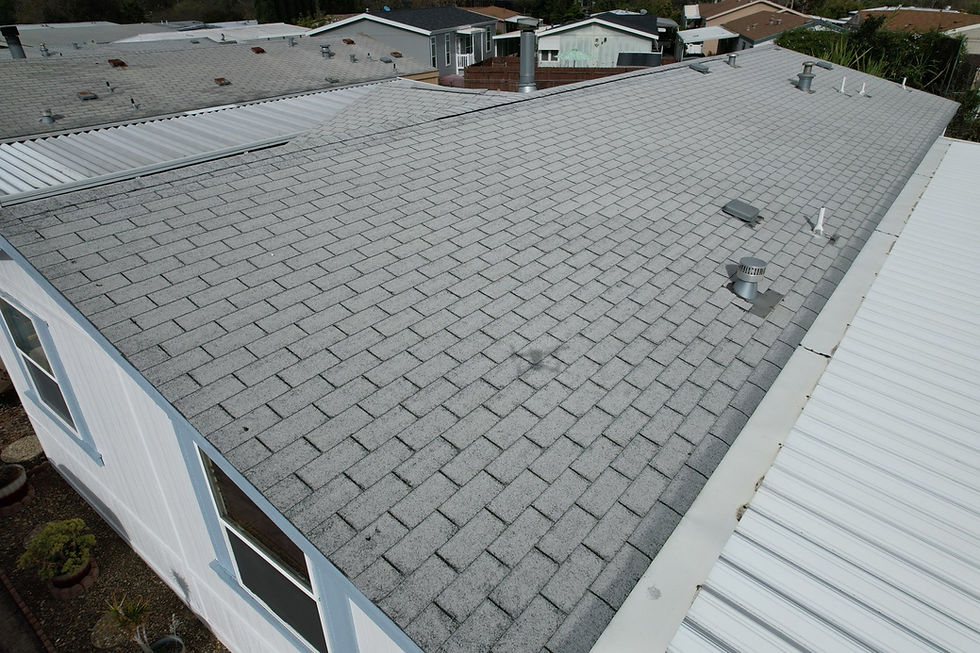
We inspect the roof surface, the attic, and the ceilings for evidence of leaks that have been running during the vacancy. Roof leak damage in a foreclosed home is typically more advanced than in an occupied home because the leak had months to cause damage without detection.
We also check for mold in the attic, behind walls (where accessible), and in the crawl space. Mold in a closed, unventilated foreclosed home can become extensive.
HVAC System
We test the HVAC system for startup and operation. In foreclosed homes, the system may have been deliberately disabled, had components stolen (condensers are theft targets for their copper and aluminum), or seized from months of non-use.
If the HVAC system is missing or non-functional, replacement costs $6,000 to $12,000 for a full system (furnace plus condenser).
Foundation and Drainage
Deferred drainage maintenance during the vacancy can accelerate foundation problems, particularly in San Diego's expansive clay soils. We evaluate grading, gutters, downspouts, and the foundation perimeter for evidence of water intrusion and settlement.
Pest Evidence
We check the attic, crawl space, garage, and accessible wall cavities for evidence of pest activity. Foreclosed homes that sat vacant and unsecured are frequently inhabited by rodents, which cause wiring damage, insulation contamination, and droppings that create health concerns.
Foreclosed Home Repair Cost Reality
Issue | How Common in Foreclosures | Typical Repair Cost |
Copper plumbing theft (full repipe needed) | Moderate | $4,000 to $15,000 |
Copper wiring theft (rewire needed) | Less common but devastating | $5,000 to $20,000 |
Water heater missing or non-functional | Common | $1,200 to $3,500 |
HVAC condenser stolen or non-functional | Moderate | $3,000 to $12,000 |
Drywall damage from vandalism | Common | $500 to $5,000 depending on extent |
Roof damage from undetected leaks | Common | $1,000 to $15,000 |
Mold remediation | Moderate | $1,500 to $9,000 |
Pest remediation and damage repair | Common | $500 to $5,000 |
Broken windows and doors | Common | $200 to $2,000 |
Foundation or drainage issues from neglect | Moderate | $2,000 to $15,000 |
Total rehabilitation (worst case) | Varies | $25,000 to $75,000+ |
Costs are estimates for the San Diego market as of late 2026.
The discount on a foreclosed property should exceed the estimated repair cost. If the home is listed $30,000 below comparable sales but needs $45,000 in work, it's not a deal. It's a money pit with curb appeal.
"As-Is" Sales: What That Means for Foreclosed Properties
Banks typically sell foreclosed properties "as is," meaning they will not make repairs, may not provide full disclosure of known defects, and may limit the inspection contingency period. "As is" does not mean you can't inspect. It means the bank won't negotiate repairs based on the inspection findings.
This makes the inspection even more important. You're not inspecting to negotiate repairs. You're inspecting to determine whether the purchase price, minus the repair costs, still makes the property a good investment.
Calculate the effective purchase price: the listed price plus the total estimated repair cost. Compare that to the market value of comparable homes in good condition. If the effective price is still below market, you may have found a deal. If it's at or above market, the "discount" is an illusion.
How 360 Home Inspection Evaluates Foreclosed Properties
Foreclosed property inspections are among the most detail-intensive assessments we perform. We approach every system with the assumption that it may have been neglected, damaged, or compromised during the vacancy and foreclosure process.
Our reports document every finding with photos and severity ratings. For foreclosed properties, we also note conditions that suggest vandalism, theft, or intentional damage, as these affect the repair scope and cost in ways that normal deferred maintenance does not.
We recommend additional specialist evaluations for most foreclosed properties: a sewer scope inspection, a mold assessment (if moisture evidence is present), and a pest inspection (Section 1 report).
For the full scope of our inspection, see our buyer's guide. For current pricing, see our cost guide.
Schedule your inspection or call (858) 707-7066.
Frequently Asked Questions
Q: Is it safe to buy a foreclosed home?
It can be, with the right due diligence. A thorough home inspection, specialist evaluations where warranted, and a clear-eyed analysis of the total repair cost versus the purchase price are essential. The discount on a foreclosed property should more than cover the repair costs and the additional risk.
Q: Can I get a home inspection on a foreclosed property?
Yes. Banks allow inspections on foreclosed properties, though the contingency period may be shorter than in a standard transaction. Schedule the inspection as early as possible and bring contractors for estimates if the inspection reveals significant issues. Get the utilities turned on before the inspection.
Q: What are the most common problems in foreclosed homes?
The most common issues are plumbing failures from vacancy (dried seals, stagnant water, missing copper), water damage from undetected leaks, pest and rodent infestations, HVAC systems that won't start, vandalism and theft damage, and mold growth from unventilated moisture. These problems compound with the length of the vacancy.
Q: How do I know if the discount on a foreclosed home is worth it?
Calculate the effective purchase price: listed price plus total estimated repair costs. Compare that to the market value of comparable homes in good condition. If the effective price is still significantly below market (10% or more), the discount is real. If it's at or near market value, the "deal" is an illusion.
Q: What does "as is" mean for a foreclosed home?
"As is" means the bank will sell the property in its current condition and will not make repairs. You can still inspect the property, but you can't negotiate repairs based on the findings. Your decision is whether to buy at the listed price given the condition, not whether the bank will fix anything.
Q: Should I get a sewer scope on a foreclosed property?
Yes. Foreclosed homes often have plumbing that hasn't been used or maintained for months. Sewer lateral damage from age, root intrusion, or intentional sabotage is a significant risk. A sewer scope costs $200 to $400 and can reveal $5,000 to $15,000 in needed repairs.
Q: Can I get a mortgage on a foreclosed home that needs repairs?
Standard conventional and FHA loans require the property to meet minimum habitability standards. If the home needs significant repairs (non-functional plumbing, missing electrical, structural damage), a standard mortgage may not be available. FHA 203(k) rehabilitation loans and other renovation-focused loan products are designed for this scenario.
Q: What should I look for during a walkthrough of a foreclosed home?
Check for signs of copper theft (missing plumbing, exposed stub-outs in walls), vandalism damage, broken windows, water stains on ceilings and walls, musty odors (mold), pest droppings, missing equipment (water heater, HVAC condenser, appliances), and exterior deterioration. Note whether utilities are on. If they're off, request they be turned on before the formal inspection.
Q: Does a foreclosed home come with disclosure of defects?
Banks typically provide limited disclosure on foreclosed properties. They may disclose what they know (from their own assessments or prior inspection reports), but they usually disclaim knowledge of the property's condition beyond what's visible. The inspection is your primary tool for understanding the property's actual condition.
Q: How much should I budget for repairs on a foreclosed home?
Budget estimates vary widely based on the property's condition. A well-maintained foreclosure that sat vacant for only a few months may need $5,000 to $10,000 in repairs. A property with vandalism, theft, extended vacancy, and deferred maintenance can need $25,000 to $75,000 or more. The inspection and contractor estimates provide the specific numbers.
Final Thoughts
A foreclosed home at a below-market price looks like a deal on paper. Whether it's actually a deal depends entirely on what's happened to the property between the previous owner's departure and your inspection.
Some foreclosed homes are solid purchases at a genuine discount. The previous owner left cleanly, the bank maintained the property, and the issues are limited to normal vacancy deterioration. Others are rehabilitation projects priced as homes, where the repair costs eat the entire discount and then some.
The inspection tells you which one you're looking at. Don't skip it. Don't rush it. And don't assume the discount is real until you've added up the repair costs and done the math.
Repair costs and foreclosure process information in this article reflect San Diego market conditions as of 2026. Repair costs, financing options, and foreclosure timelines vary by property, lender, and market conditions. Consult licensed professionals and your lender for guidance specific to your transaction.


Comments