
San Diego wildfire season 2026: what homeowners should have inspected
San Diego County sits in some of the most fire-prone terrain in the continental United States. Wildfire season in Southern California historically peaks between September and November, when maximum fuel dryness coincides with Santa Ana wind events that can push fires across miles of terrain in hours.
In 2026, with the Fire Safe Council of San Diego County expanding homeowner assistance programs and the state continuing to develop its Zone 0 defensible space requirements, the focus on wildfire preparedness is higher than it's been in years.
Here's what most wildfire preparation guides miss: they focus on clearing brush and packing a go-bag. That's necessary, but it's not enough. The structural condition of your home determines whether an ember that lands on your roof starts a fire or burns out harmlessly. Whether your vents keep embers out or invite them in. Whether your deck ignites from radiant heat or survives. A home inspection focused on wildfire readiness evaluates the building itself, not just the terrain around it.
This guide covers what to have inspected, why each item matters for fire resilience, and how to prioritize the work that makes the biggest difference.
How wildfires actually destroy homes
Most people picture a wall of flame consuming a house. That's dramatic, but it's not how most homes are lost in wildfires. Research consistently shows that embers, not direct flame contact, are responsible for the majority of home ignitions during wildfires. Embers can travel a mile or more ahead of the fire front, carried by wind into gutters, onto wood decks, through unscreened vents, and into any gap in the building envelope.
That's why home hardening (making the structure itself resistant to ember ignition) is as important as defensible space (clearing vegetation around the structure). They work together: defensible space reduces flame exposure, and a hardened structure resists the embers that get through regardless.
A home inspection for wildfire readiness evaluates both the building's vulnerability to ember intrusion and the exterior conditions that affect fire exposure.
The roof: your home's most exposed surface
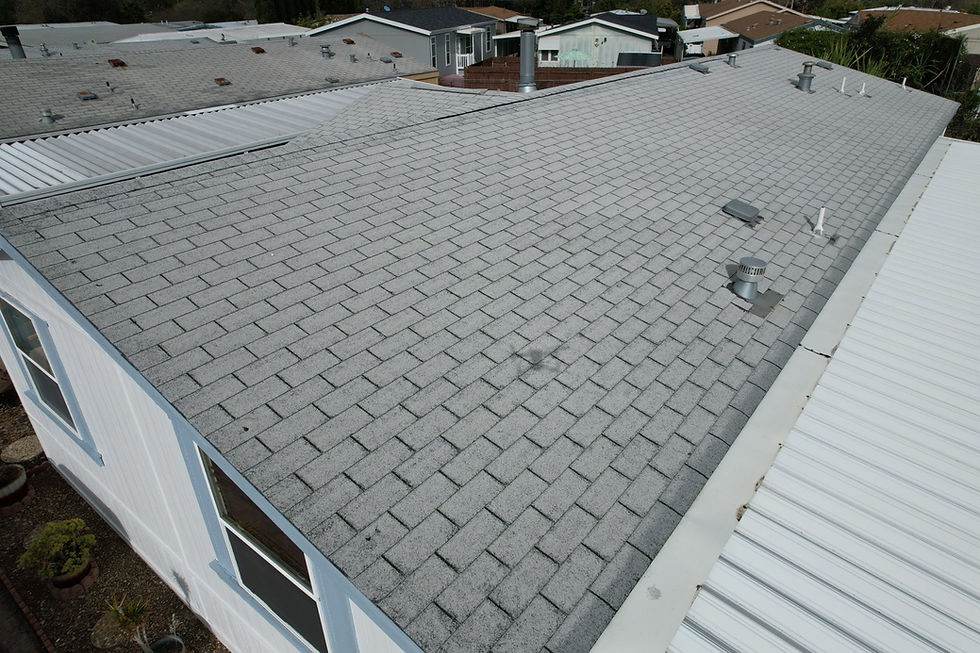
The roof is the largest horizontal surface on your home, and during a wildfire, it's a landing zone for embers. The roofing material, condition, and details determine whether those embers ignite or extinguish.
What to inspect: The roofing material itself. Class A fire-rated materials (concrete tile, clay tile, asphalt composition with Class A rating, metal) provide the best resistance. Wood shingles and shakes are the most vulnerable. The condition of the roofing material, because deteriorated or damaged roofing creates gaps where embers can lodge and ignite. Gutters, which collect dry debris that ignites easily when an ember lands in it. The eaves, soffits, and fascia, because open eaves allow embers to enter the attic space.
For homes in San Diego's fire-prone areas (Scripps Ranch, Poway, Rancho Santa Fe, Ramona, Alpine, Jamul, Fallbrook), roof condition and material type are among the highest-priority inspection items.
Vents: the openings that let embers in
Standard attic vents, crawl-space vents, soffit vents, and ridge vents are designed to allow airflow. During a wildfire, they also allow embers into the structure.
What to inspect: Attic vents for ember-resistant screening (1/8-inch mesh or smaller). Crawl-space vents for screening and closure capability. Soffit vents, which are particularly vulnerable because they're located under the roof overhang where heat and embers concentrate. Dryer vents, kitchen exhaust vents, and other exterior openings for proper closure when not in use.
Ember-resistant vents and fine mesh screening are relatively inexpensive retrofits that significantly improve a home's wildfire resilience. An inspector can identify which vents are vulnerable and which meet current fire-resistant standards.
Windows and doors: glass is a weak point
Windows exposed to radiant heat can crack and fail, creating an opening for embers and flame to enter the home. Single-pane windows are the most vulnerable. Dual-pane tempered glass provides significantly more resistance.
What to inspect: Window type (single-pane vs. dual-pane, tempered vs. annealed). Window and door frame material (vinyl frames can melt; aluminum and wood-clad perform differently). Weatherstripping and seal condition around windows and doors. Screen condition (metal screens provide more protection than fiberglass).
For homes in Very High Fire Hazard Severity Zones, window vulnerability is a meaningful factor in the home's overall fire resilience.
Decks, fences, and exterior attachments
Decks, fences, and other combustible attachments to the home create pathways for fire to reach the structure. A wood fence that connects to a wood deck that attaches to the house creates a continuous fuel path from the property line to the structure.
What to inspect: Deck material (wood, composite, or non-combustible). Deck underside condition (accumulated debris under decks is a significant ignition risk). Fence material and attachment to the structure. Patio covers and pergola materials. Stored items against exterior walls (firewood, propane tanks, lumber).
The area immediately around the structure (Zone 0, the 0 to 5 foot ember-resistant zone) should be free of combustible materials, including wood mulch, dead vegetation, stacked firewood, and items stored against the house.
Defensible space: the terrain evaluation
California's defensible space requirements under Public Resources Code Section 4291 require property owners in State Responsibility Areas and Very High Fire Hazard Severity Zones to maintain cleared zones around structures.
Zone 0 (0 to 5 feet): The ember-resistant zone immediately around the structure. Should contain no combustible materials. Gravel, stone, or non-combustible hardscape only.
Zone 1 (5 to 30 feet): Reduced fuel zone. Dead vegetation, dry grass, and accumulated debris should be removed. Trees should be pruned so the lowest branches are 6 to 10 feet from the ground. Plants should be well-spaced and well-maintained.
Zone 2 (30 to 100 feet): Extended fuel reduction zone. Vegetation should be managed to reduce continuous fuel loads. Spacing between shrubs and trees should prevent fire from spreading easily from plant to plant.
An inspector evaluates the current state of defensible space around the property and identifies conditions that don't meet the clearance requirements. Note that defensible space regulations are evolving. The Zone 0 requirement under state guidance was discussed with a 2026 target, though final regulatory adoption status should be verified with CAL FIRE or the local fire department.
Garages, storage, and attached structures
The garage is one of the most overlooked wildfire vulnerabilities. Garage doors (especially older wooden doors or doors with gaps at the bottom) can allow embers to enter. Once inside, embers can ignite stored items, vehicles, or the structure itself.
During the inspection, we check garage door material and fit. Metal or fire-rated garage doors provide more protection than wood. Weather stripping at the bottom and sides should create a seal tight enough to prevent ember intrusion. The garage interior should be free of excessive combustible storage near the door opening.
Attached pergolas, patio covers, trellises, and shade structures made of wood create direct fire pathways to the home. These are among the easiest conditions to address (either replace with non-combustible materials or remove entirely) and among the most impactful for reducing fire vulnerability.
Items stored against the exterior of the home (firewood stacks, lumber, cardboard, propane tanks, gasoline containers) should be moved at least 30 feet from the structure. During an inspection, we document the locations of combustible storage and note conditions that increase the home's ignition risk.
Water supply and access
Properties in rural or semi-rural areas of San Diego County (Ramona, Alpine, Jamul, Fallbrook, Valley Center) may depend on private wells, water tanks, or community water systems that could be affected during a wildfire event. Having adequate water supply and access for firefighting is part of the overall preparedness picture.
The inspector checks exterior hose bib function and location, the condition of any water storage tanks, and whether the property has adequate access for emergency vehicles. While these items don't affect the building's structural fire resistance, they affect the property's overall wildfire resilience.
Electrical and mechanical systems
Electrical systems can be both a wildfire vulnerability and a potential ignition source. During inspections in fire-prone areas, we pay attention to exterior electrical components that could be exposed to heat or embers, generator installations and fuel storage, propane tank placement relative to the structure, exterior HVAC equipment placement and clearance from combustible materials, and chimney condition and spark arrestor presence.
A chimney without a spark arrestor is a direct ember-emission source that can ignite roof debris, vegetation, or neighboring structures. Spark arrestors are inexpensive and required in many jurisdictions.
Insurance and wildfire: the connection to home condition
Wildfire insurance in San Diego County has become increasingly challenging. Some carriers have been non-renewing policies in Very High Fire Hazard Severity Zones, and others have increased premiums or added requirements related to defensible space and home hardening.
An inspection that documents your home's fire-readiness condition can be valuable in this environment. Some insurers may consider the home's specific vulnerability (roof material, vent screening, defensible space compliance) when underwriting the policy. Having a documented assessment shows the insurer that you've evaluated and addressed the home's weaknesses.
If you're buying in a fire-prone area, check with your insurance provider early. Understand what coverage is available, what requirements the carrier has, and whether the home's current condition affects the terms. If the inspection reveals conditions that need improvement, addressing them before the policy application may improve your options.
Exterior walls and siding
The exterior wall material affects how the home responds to radiant heat and direct flame contact. Stucco, brick, and fiber-cement siding are generally more fire-resistant than wood siding, vinyl siding, or wood-panel exteriors. For homes with stucco exteriors (common throughout San Diego), the stucco itself provides reasonable fire resistance, but gaps, cracks, and deteriorated sealant can allow embers to enter the wall assembly.
The inspector evaluates exterior wall material and condition, paying attention to gaps, penetrations, and areas where the exterior finish has deteriorated enough to create pathways for embers or flame.
Eaves and soffits deserve specific attention. Open eaves (where the rafter tails are exposed) allow embers to collect in the protected space under the roof overhang, which is one of the most vulnerable ignition points on a home. Enclosed soffits with fire-resistant materials reduce this vulnerability significantly.
After the fire season: what to inspect next
If your property is exposed to wildfire smoke, heat, or ember contact (even without direct fire damage), a post-event inspection can identify conditions that need attention: heat damage to exterior finishes, melted components, smoke infiltration into the building, and structural or mechanical damage that may not be immediately visible.
If neighboring properties burned and yours survived, the inspection can also identify conditions caused by the fire event (water damage from firefighting operations, smoke damage, heat exposure to exterior walls) that may be covered under insurance.
How we help San Diego homeowners prepare
Our inspectors evaluate wildfire readiness as part of our standard home inspection when the property is in a fire-prone area, or as a focused assessment for homeowners who want to understand their home's vulnerability. We check roof condition and material, vent screening, window and door vulnerability, defensible space conditions, deck and attachment materials, and exterior storage conditions.
We also offer roof evaluations, stucco and exterior assessments, and crawl-space and moisture evaluations that address conditions relevant to both wildfire and general home maintenance.
For a complete picture of what inspectors evaluate across all systems, see our guide on what a home inspection covers and our post on what fails a home inspection in San Diego.
We serve communities throughout San Diego County. Schedule your inspection or call us at (858) 707-7066.
Frequently asked questions
Q: When is wildfire season in San Diego?
San Diego's highest wildfire risk typically occurs from September through November, when vegetation is driest and Santa Ana wind events are most common. However, fires can occur year-round, and conditions vary by year. Monitor CAL FIRE and local fire department updates for current conditions.
Q: What is home hardening for wildfire?
Home hardening means making the structure itself more resistant to ignition from embers and radiant heat. This includes using fire-resistant roofing, installing ember-resistant vents, maintaining non-combustible materials in Zone 0, replacing vulnerable windows, and removing combustible attachments and storage near the structure.
Q: What is defensible space?
Defensible space is the buffer of managed vegetation and cleared area around a structure that reduces fire exposure and slows fire spread. California law requires up to 100 feet of defensible space in fire-prone areas, divided into zones with different clearance and maintenance requirements.
Q: Does a home inspection check for wildfire readiness?
A standard home inspection evaluates roof condition, exterior materials, and other components that relate to wildfire vulnerability. For a focused wildfire readiness assessment, the inspector can specifically evaluate vent screening, defensible space, combustible attachments, and other fire-resilience factors.
Q: How much does home hardening cost?
Costs vary by property and the specific improvements needed. Some items (ember-resistant vent screening, spark arrestors, clearing Zone 0) are relatively inexpensive. Others (replacing a wood roof, upgrading windows, rebuilding a deck with non-combustible materials) are more significant investments. An inspection helps prioritize the highest-impact improvements.
Q: Is my home in a fire hazard zone?
Check your address on the CAL FIRE Fire Hazard Severity Zone Viewer. Properties in Very High Fire Hazard Severity Zones have the most stringent defensible space and building requirements. Your local fire department can also provide zone information for your specific address.
Q: What is Zone 0?
Zone 0 is the 0 to 5 foot ember-resistant area immediately around a structure. Under California's evolving defensible space guidelines, this zone should contain no combustible materials. Noncombustible surfaces like gravel, stone, or pavers replace mulch, plants, and other flammable materials within this perimeter.
Q: Should I get a wildfire inspection before buying a home in San Diego?
If you're buying in a fire-prone area of San Diego County (Scripps Ranch, Poway, Ramona, Alpine, Fallbrook, and many others), evaluating the home's wildfire readiness is worth including in your inspection. Understanding the current state of the roof, vents, defensible space, and building materials helps you budget for any improvements needed.
Q: Can wildfire affect my home insurance?
Yes. Homes in Very High Fire Hazard Severity Zones may face higher premiums, additional requirements, or difficulty obtaining coverage. Some carriers require defensible space compliance and home hardening measures before issuing or renewing a policy. Check with your insurer early in the process.
Q: What trees cause the most wildfire risk near homes?
Trees with high oil content (eucalyptus, certain pines and junipers), trees with peeling bark that creates loose fuel, and dead or dying trees of any species present the highest risk near structures. Proper pruning, spacing, and removal of dead material reduce the risk regardless of species.
Final thoughts
Wildfire preparation isn't a one-time event. It's a condition of living in a fire-prone environment, and San Diego County is a fire-prone environment. The inspection identifies where your home is vulnerable. The work you do based on that information determines whether your home is ready when the conditions align.
The September through November window is the peak risk period. But the time to prepare is now, before the wind picks up and the humidity drops. An inspection gives you the specific, property-level information you need to prioritize the improvements that make the biggest difference for your home.
This article is for informational purposes. Wildfire regulations, defensible space requirements, and fire conditions vary by location and change over time. Consult CAL FIRE, your local fire department, and licensed professionals for property-specific guidance.


Comments